Have you finally run out of indoor activities to entertain your kids with while they are stuck at home? If so, then take this chance to get them involved in some educational activities!
Here are 17 of the coolest science experiments and projects you can conduct with your kids at home!
17. Cool Milk, Food Coloring, and Dish Soap Science Experiment for Toddlers and Preschoolers
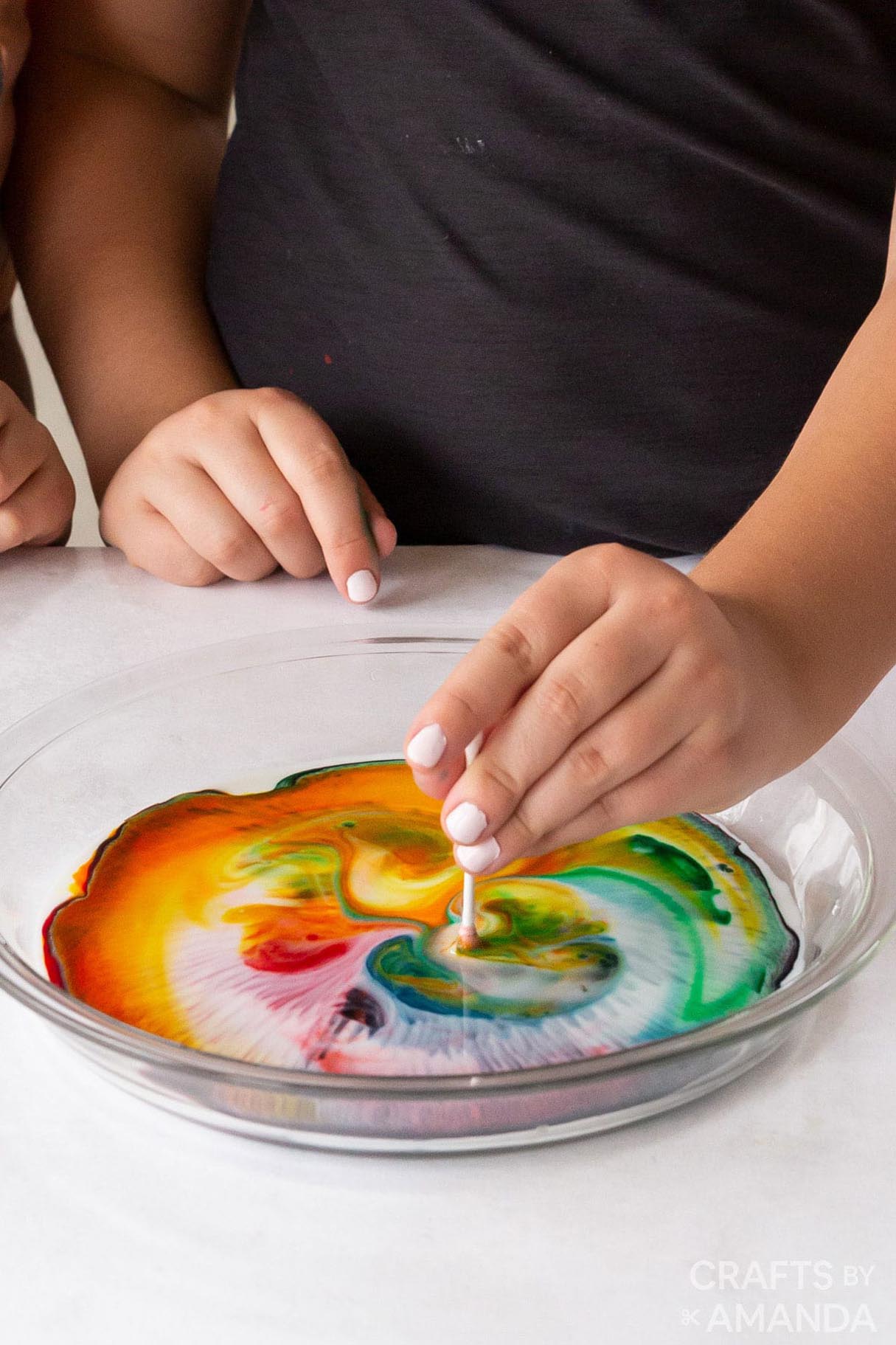
This classic magic milk experiment is one of the easiest and most fascinating science activities you can do with toddlers and preschoolers.
Using just milk, food coloring, and dish soap, kids get to watch colors swirl, explode, and dance across the surface as if by magic. Setup takes only a few minutes, making it perfect for short attention spans and spontaneous learning moments.
Beyond being visually exciting, this experiment introduces young children to basic scientific concepts like surface tension and chemical reactions in a totally hands-on way.
Even very young kids are mesmerized by the movement of the colors, making it an ideal first science experiment that feels more like play than learning.
16. How to Make Best Clear Slime
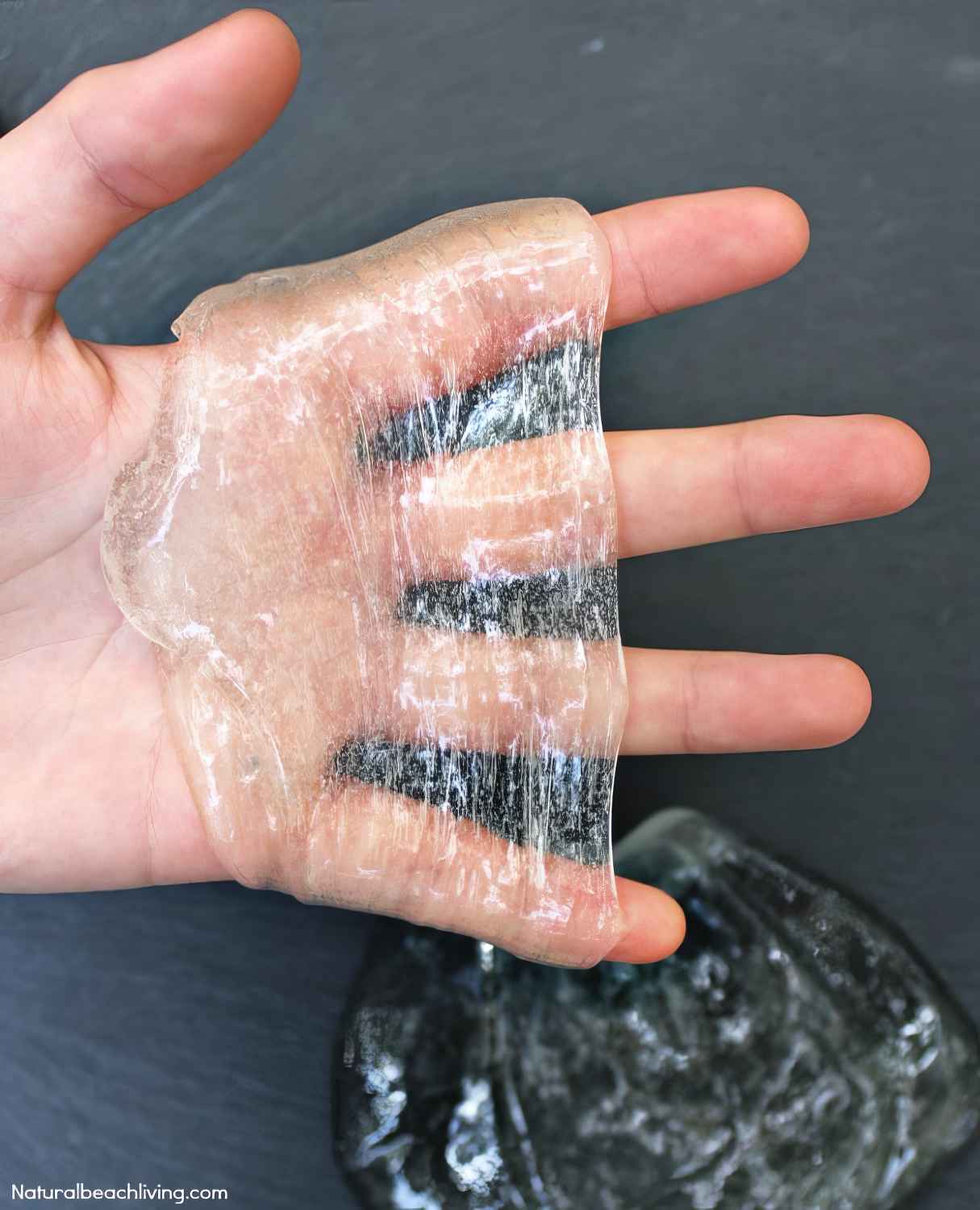
Clear slime is endlessly fascinating for kids, and this simple two-ingredient recipe makes it incredibly easy to create.
The result is a crystal-clear, stretchy slime that looks like liquid glass and feels amazing to squish, stretch, and poke. Best of all, it comes together in under five minutes.
This activity doubles as science, sensory play, and craft time all in one. Kids love watching the slime transform and then playing with it for days afterward.
Whether you’re looking for a rainy-day activity, a science experiment, or a calming sensory tool, clear slime is always a hit.
15. Fizzing Rainbow – Science with Kids
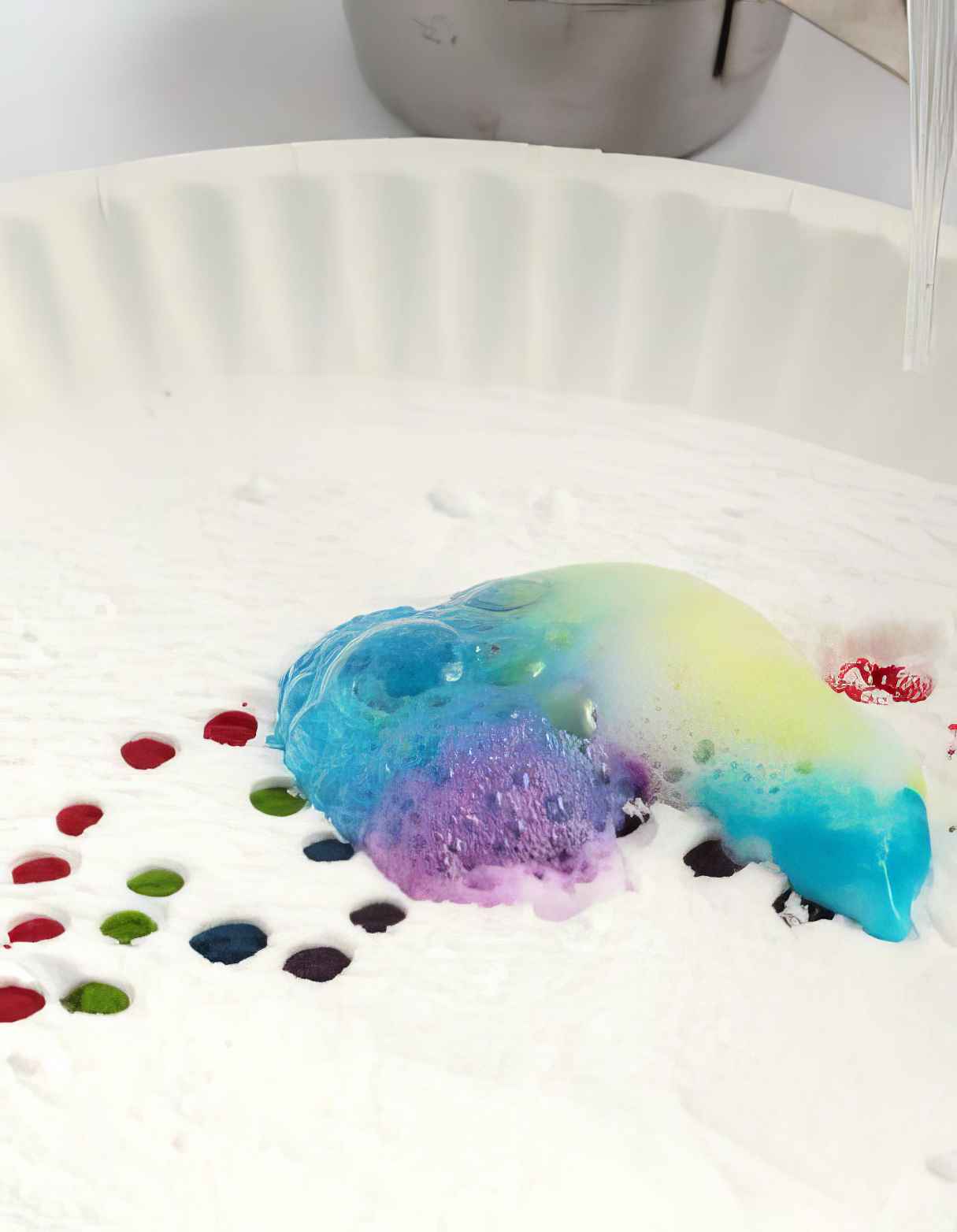
If you’re introducing STEM activities to toddlers and preschoolers, this fizzing rainbow experiment is a fantastic place to start.
Baking soda, vinegar, and food coloring combine to create colorful bubbling reactions that kids can easily participate in themselves.
This activity is perfect because it’s simple enough for toddlers but still exciting for older children. Watching the rainbow fizz and foam sparks curiosity and helps kids understand cause and effect, all while feeling like they’re creating something magical.
14. How to Blow up a Balloon with Baking Soda and Vinegar
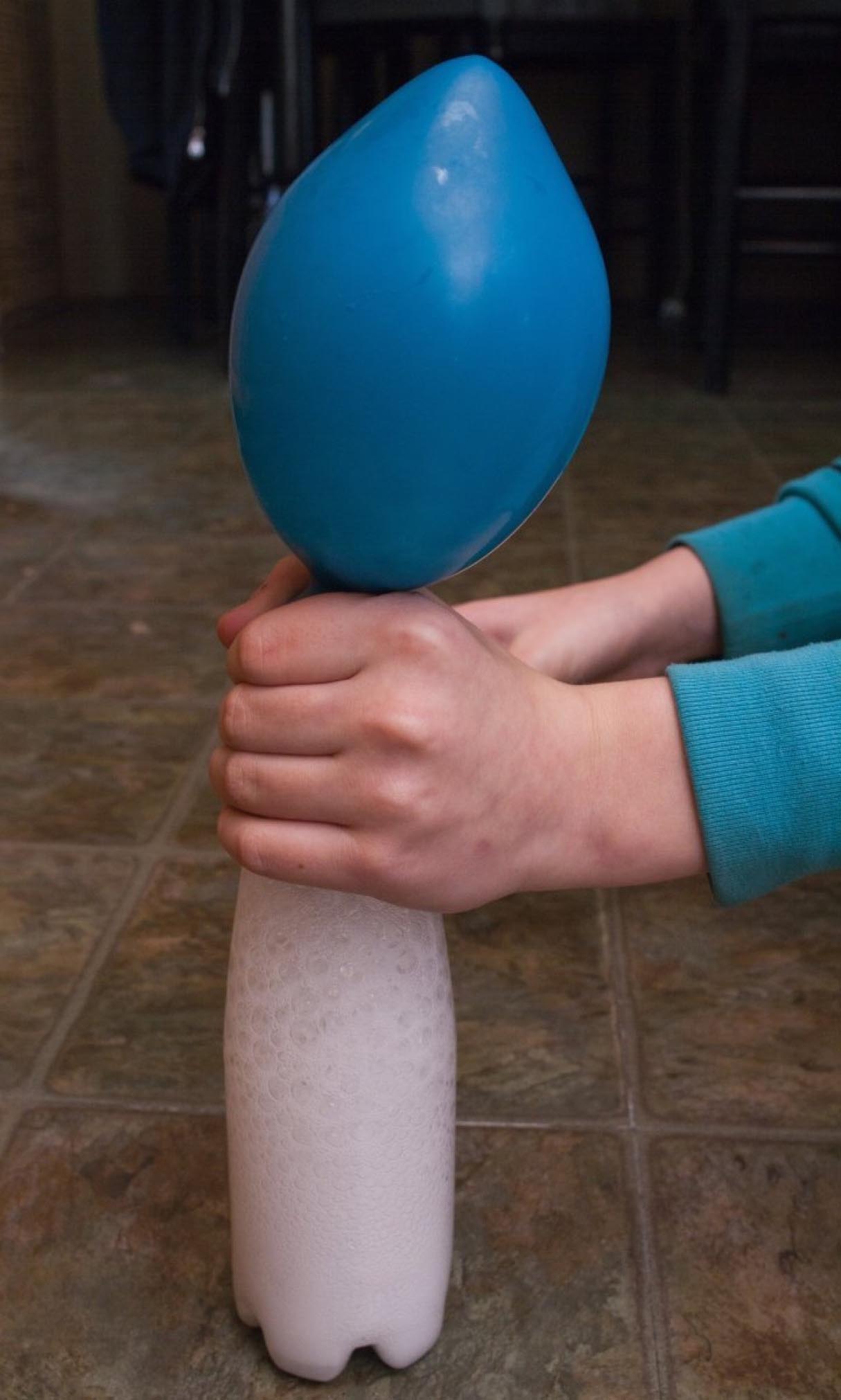
This balloon experiment turns a classic baking soda and vinegar reaction into an exciting visual demonstration. Kids are amazed as they watch a balloon inflate all on its own, powered purely by chemistry.
It’s great for teaching basic concepts like gas formation and chemical reactions. Younger kids enjoy watching the cause-and-effect process, while older kids can explore why the balloon inflates and what’s happening inside.
13. Create Invisible Ink with Lemon Juice
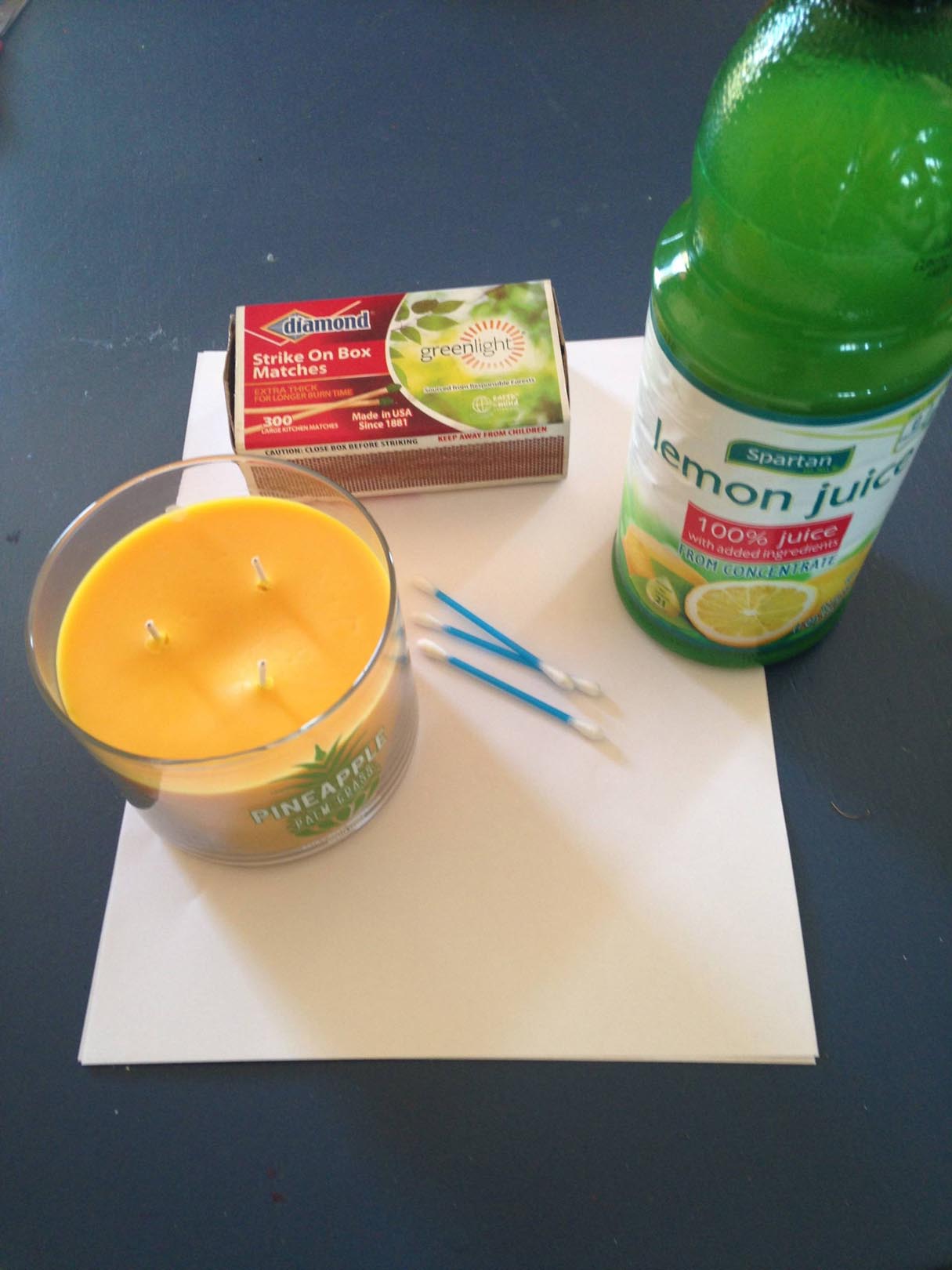
Writing secret messages with lemon juice feels like pure magic to kids. This invisible ink experiment reveals hidden writing when heat is applied, creating a sense of mystery and excitement.
At the same time, kids are learning real chemistry. Heat causes oxidation in the lemon juice, making the writing appear brown. It’s a perfect mix of creativity, science, and storytelling.
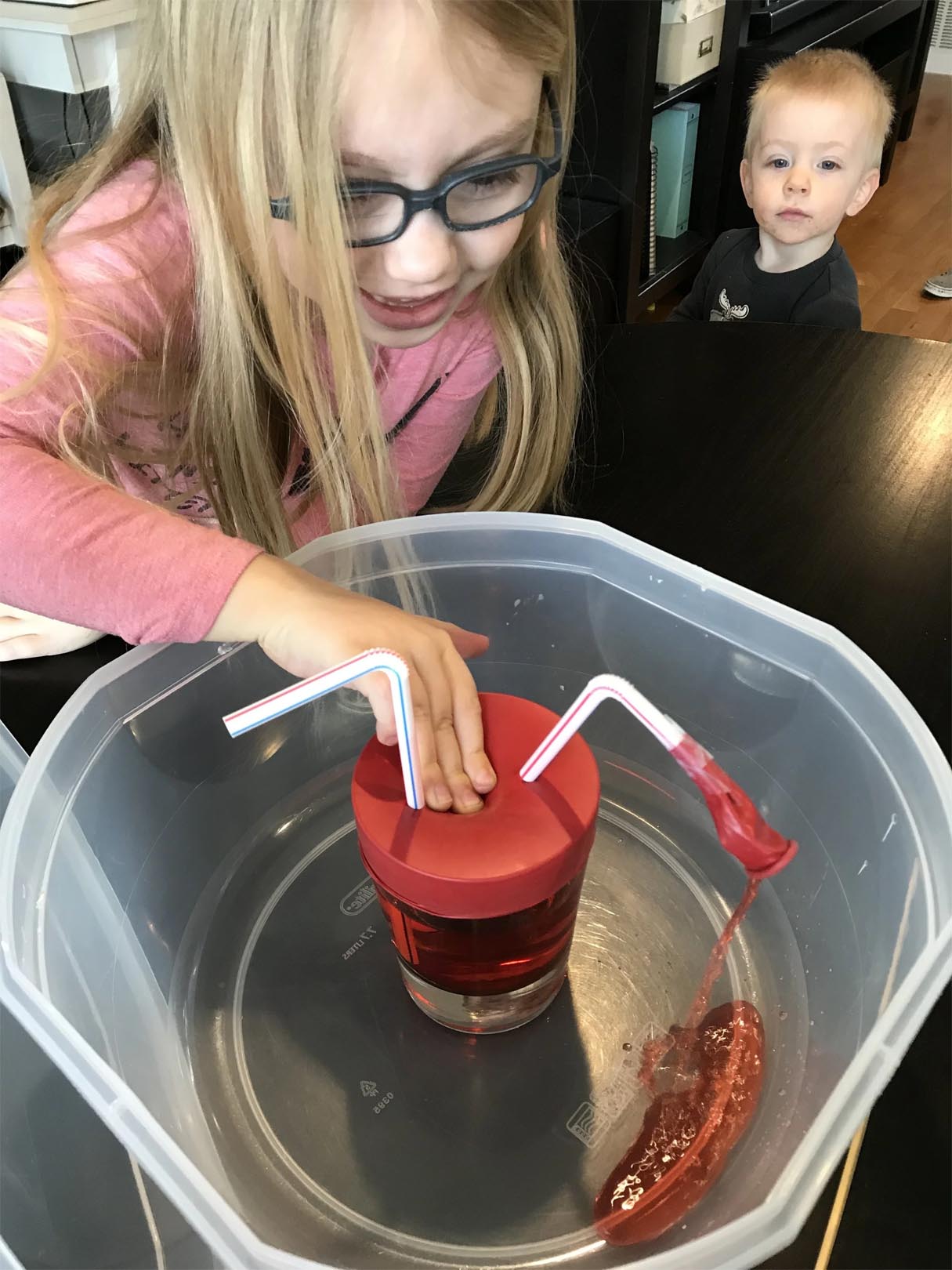
12. Human Heart Pump Model: Cardiovascular STEM for Kids
Learning about the human body becomes much more exciting when kids can see and touch a working model. This heart pump activity helps children understand how the heart moves blood through the body in a simple, hands-on way.
Because kids can hear and feel their own heartbeat, this project feels personal and relatable. It’s an excellent introduction to biology and health science, even for very young learners.
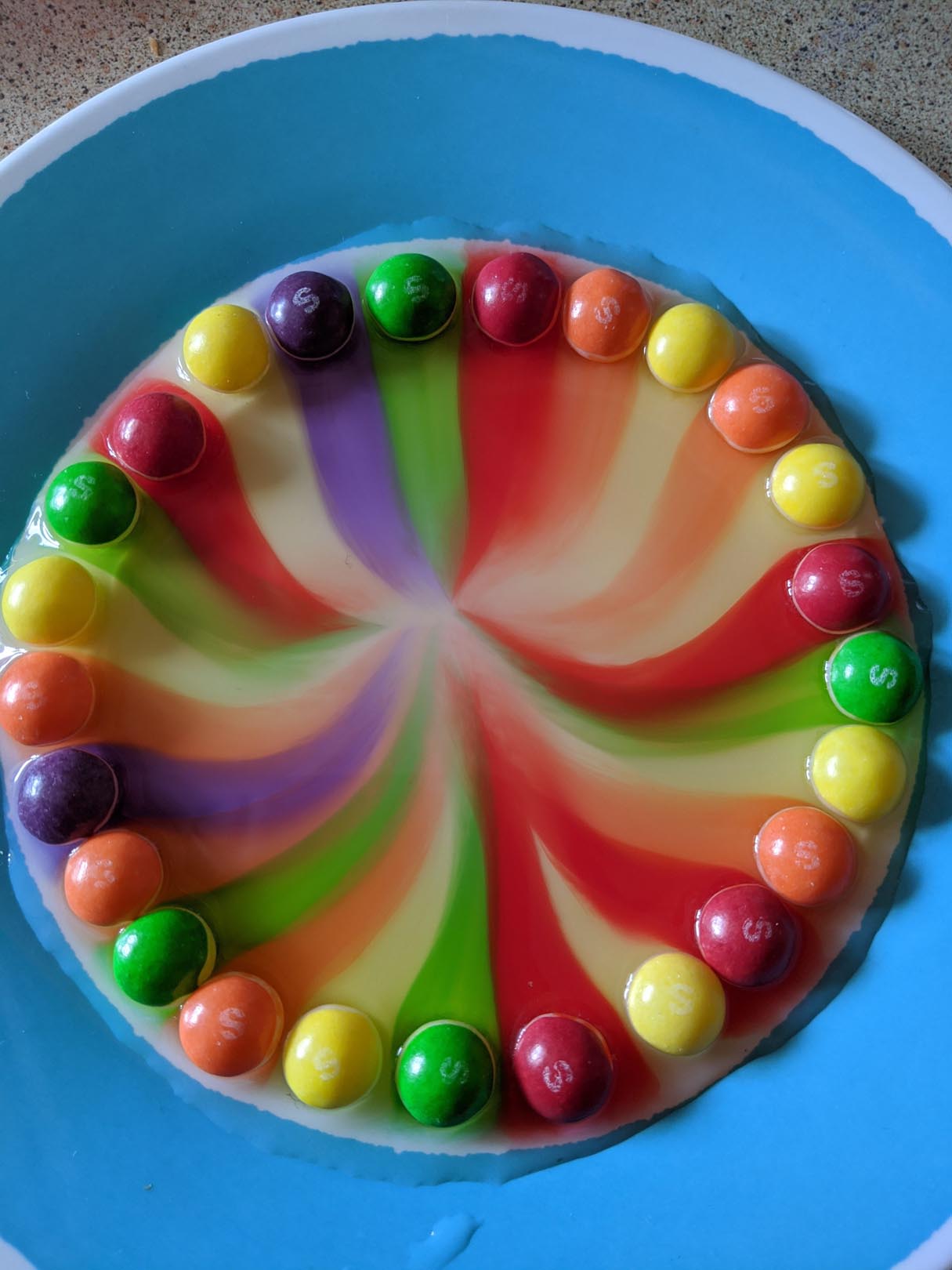
11. Easy Science Project With Skittles for Young Children
This colorful Skittles experiment is simple, fun, and perfect for young children. As the candy dissolves, vibrant patterns appear, creating an instant “wow” moment.
It’s easy enough for toddlers to help set up and teaches basic ideas about color mixing and dissolving. Plus, letting kids enjoy a few Skittles afterward makes it even more exciting.
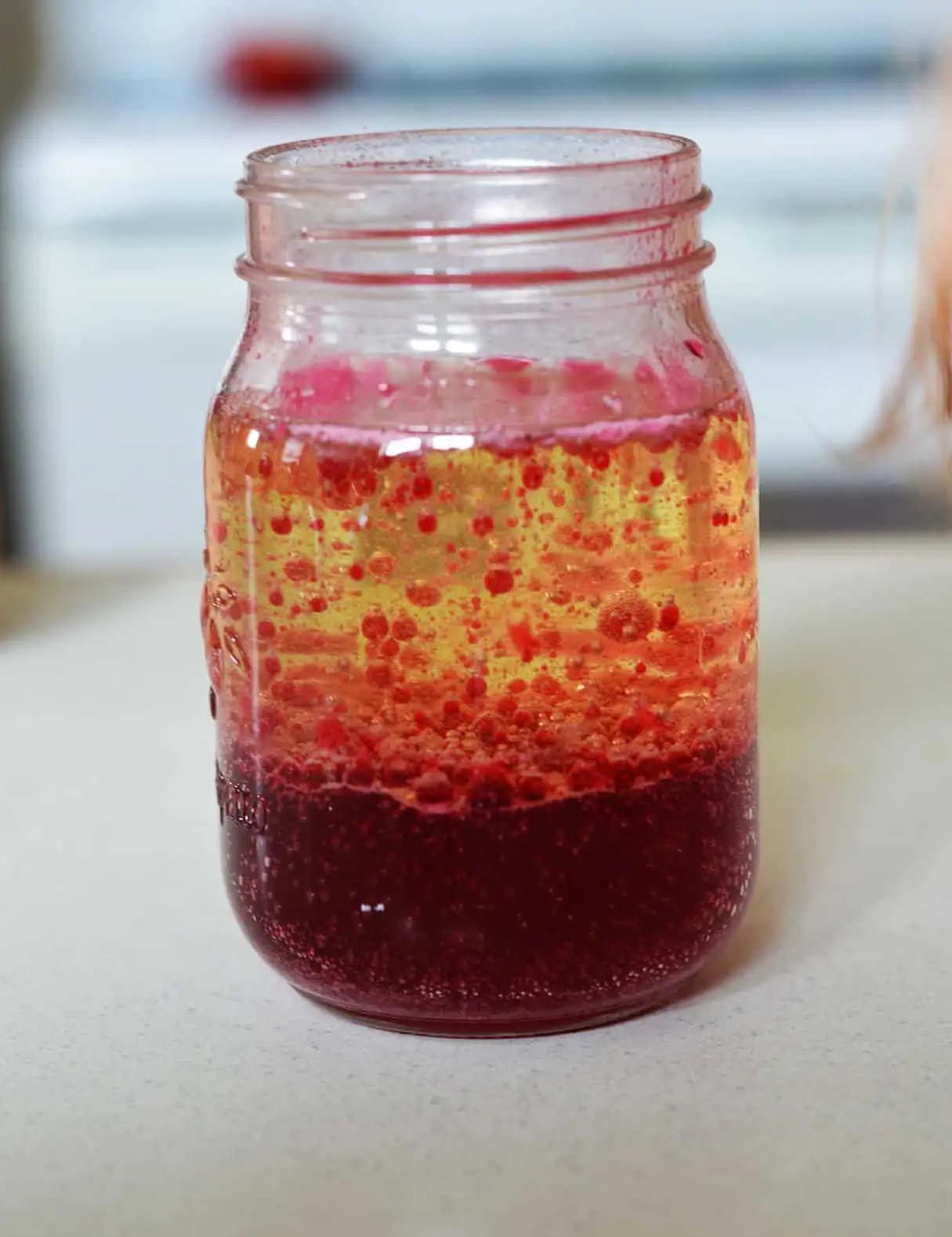
10.
Making a lava lamp at home is one of those experiments that stops kids in their tracks. Oil, water, food coloring, and an effervescent tablet combine to create floating bubbles that rise and fall like magic.
This experiment naturally encourages curiosity and questions, making it a wonderful child-led learning experience. Kids love watching the motion and asking why the bubbles behave the way they do.
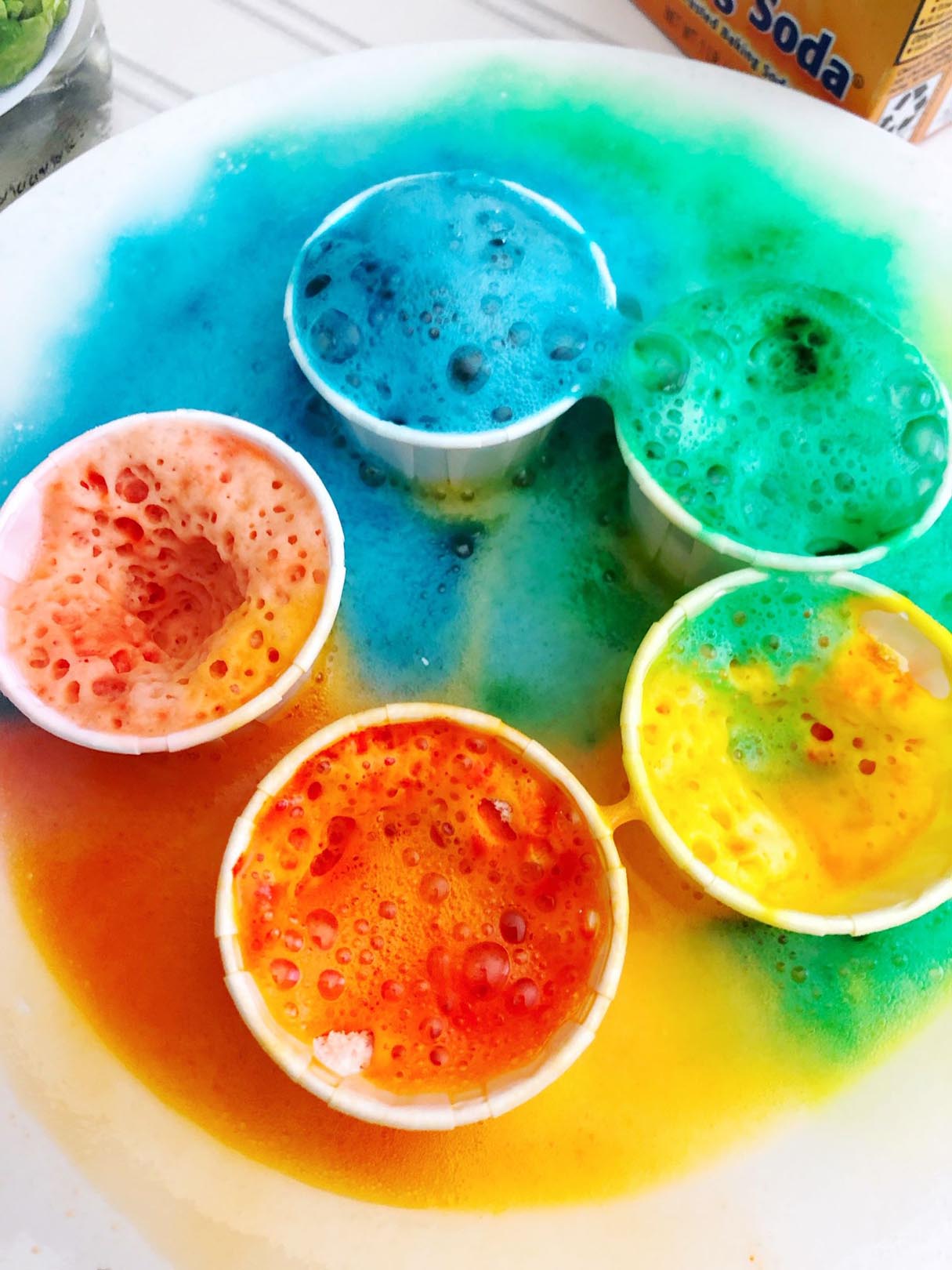
9. How to Create a Bright Colors and Fluffy Foaming Rainbow
A foaming rainbow is a perfect sensory activity for gloomy days. Bright colors and fluffy foam instantly lift moods and capture attention.
This activity is easy to prepare and incredibly memorable for kids. It’s a wonderful blend of science, art, and sensory play that feels joyful and creative.
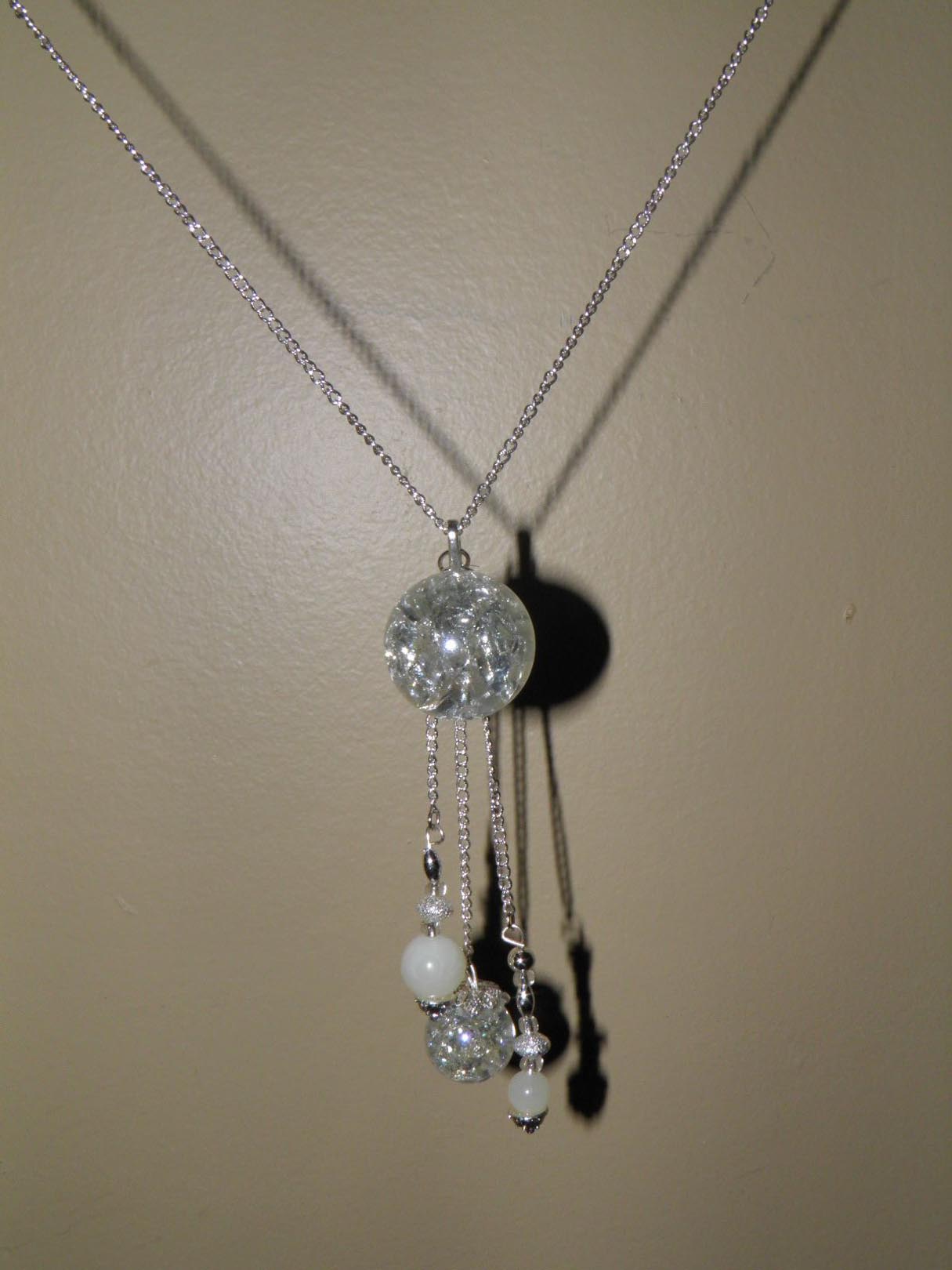
8. Beautiful Homemade Cracked Marble Necklace
This activity combines science and crafting into a beautiful keepsake. By heating and cooling marbles, kids create stunning cracked patterns that make each necklace unique.
It’s an affordable and creative project that introduces kids to temperature changes and material reactions while letting them make something they’re proud to wear.
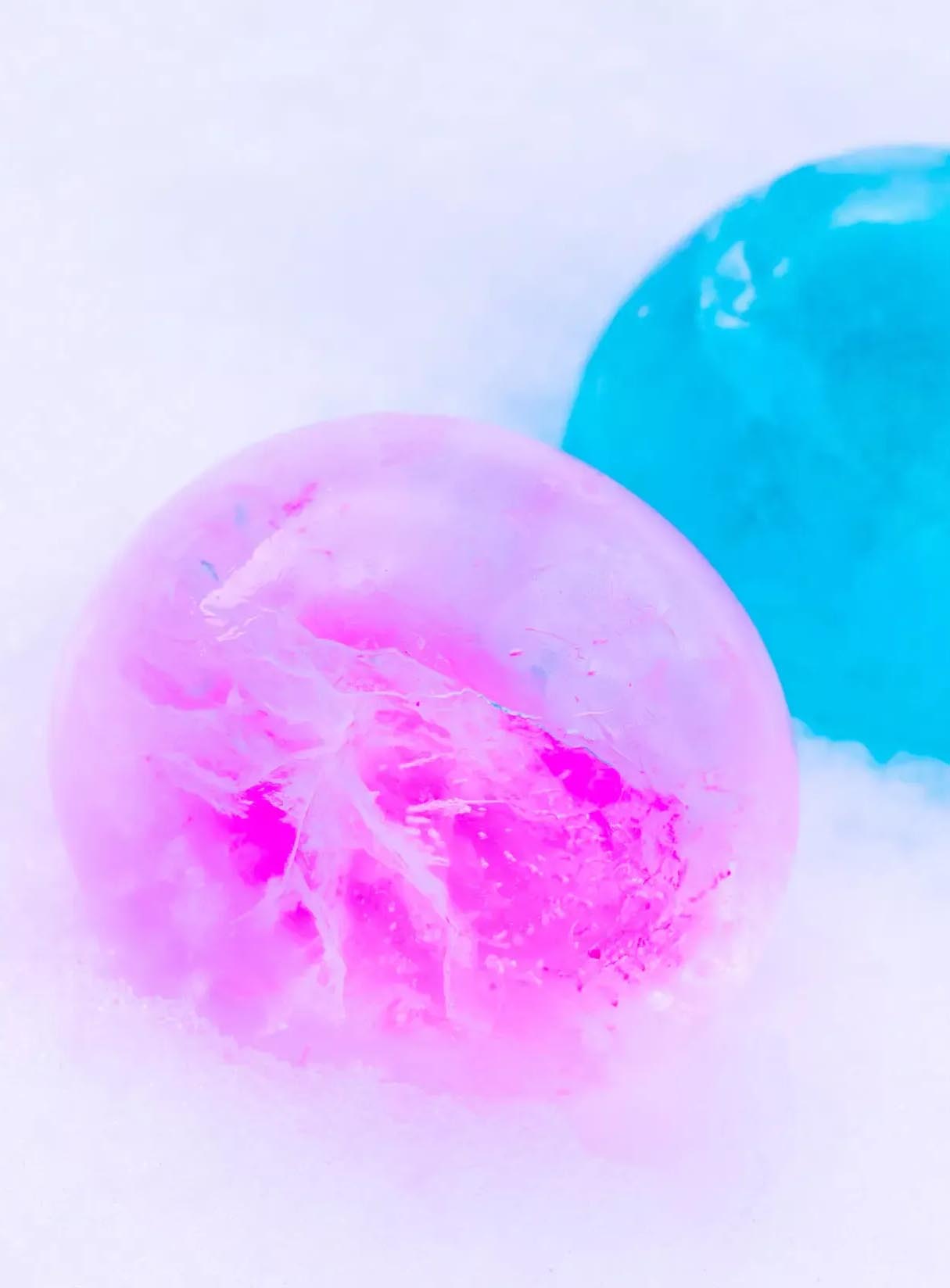
7. Ice Balloons Winter Science Experiment for Kids
Colorful ice balloons turn freezing temperatures into an exciting science lesson. Kids love watching water transform into ice and exploring the frozen shapes afterward.
This activity makes winter feel magical and helps kids understand states of matter in a hands-on, memorable way.
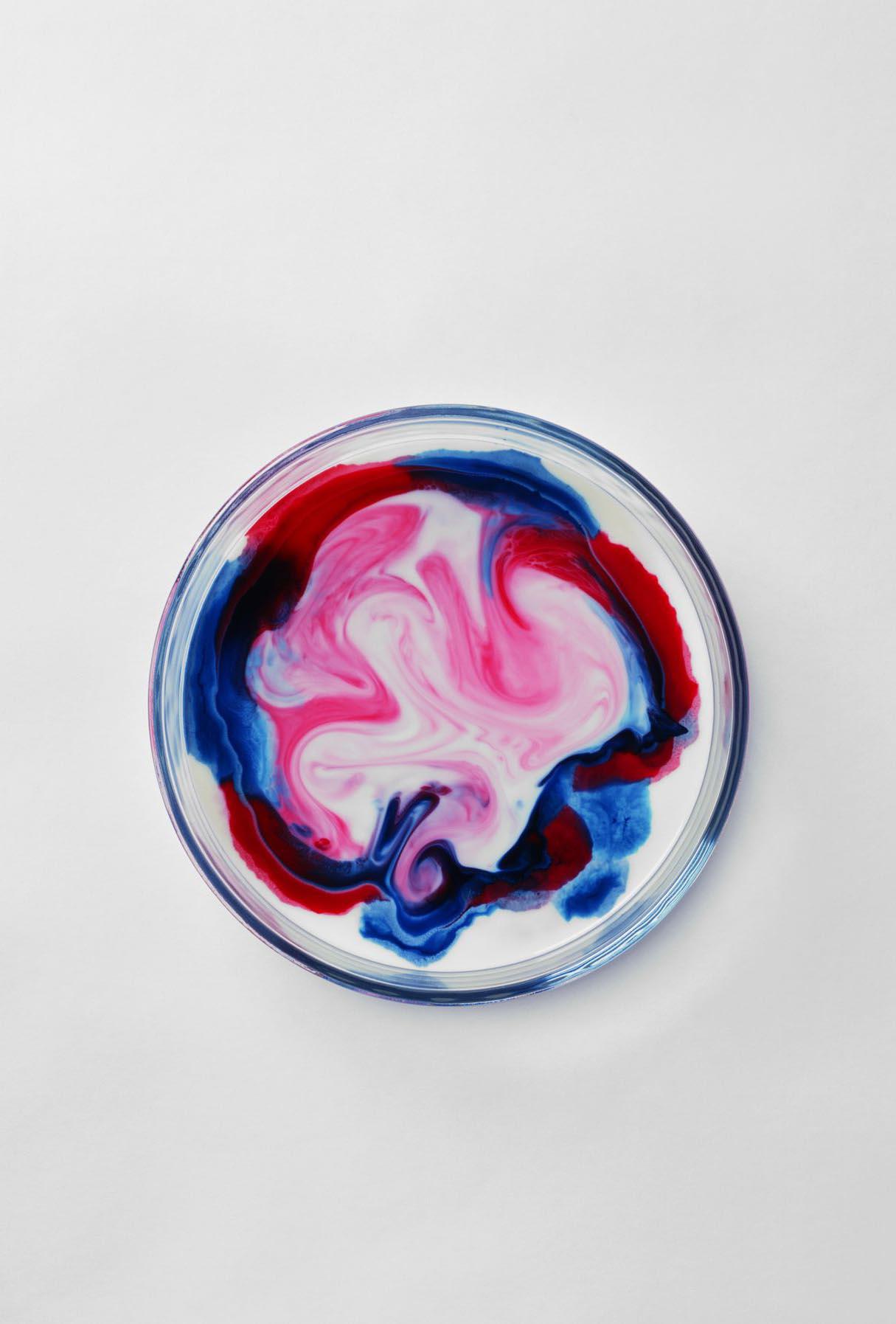
6. Colorful Magic Milk Science Experiment
Magic milk never fails to amaze. Each time you try it, the colors form new patterns, making it endlessly entertaining.
It’s quick to set up, easy to repeat, and visually stunning, making it perfect for short learning sessions or science-themed playtime.
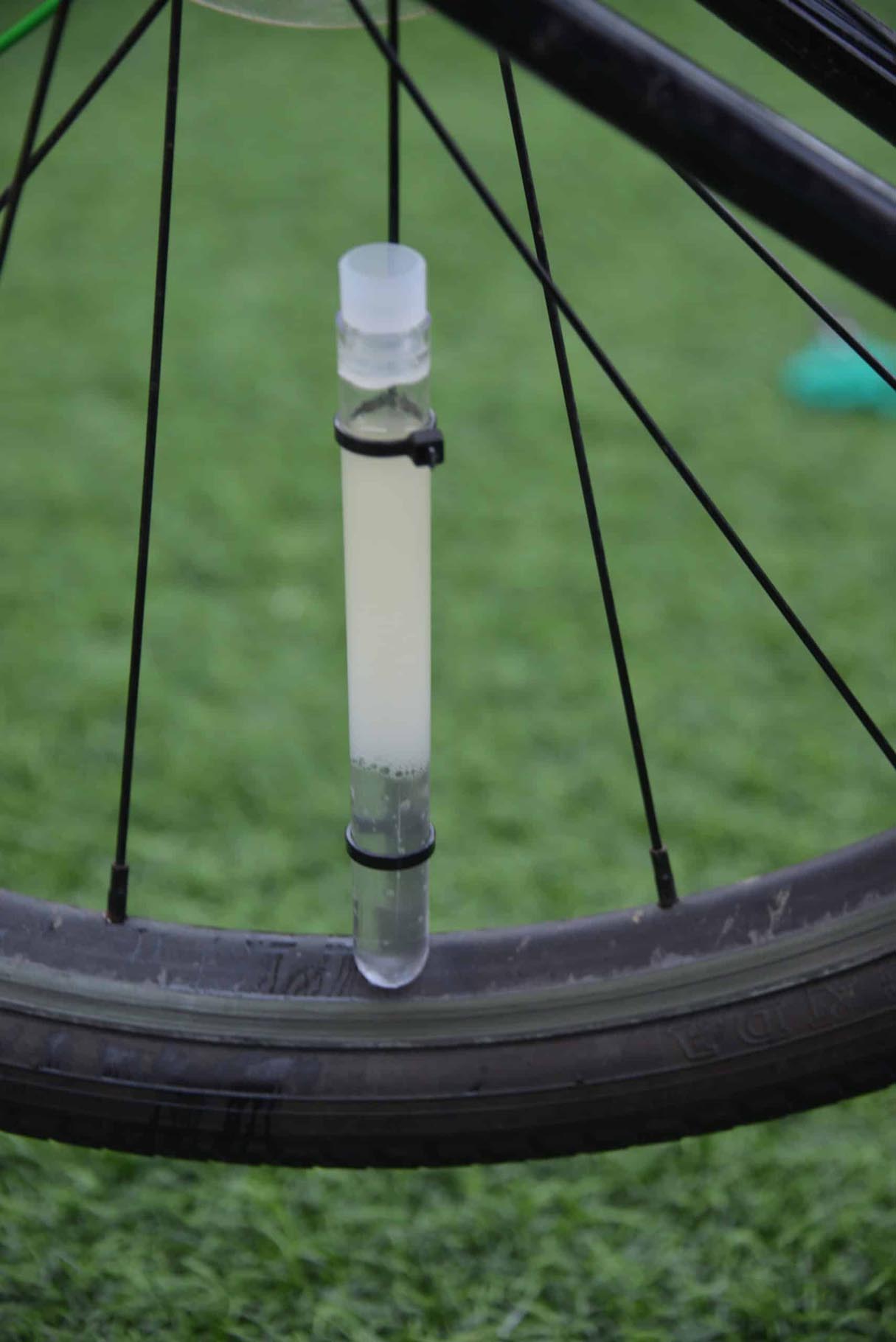
5.
This creative experiment introduces kids to centrifuge science using a bicycle. By spinning oil and water mixtures, kids can clearly see separation in action.
It’s an engaging way to teach scientific controls, motion, and force using everyday objects. Older kids especially love the hands-on engineering aspect.
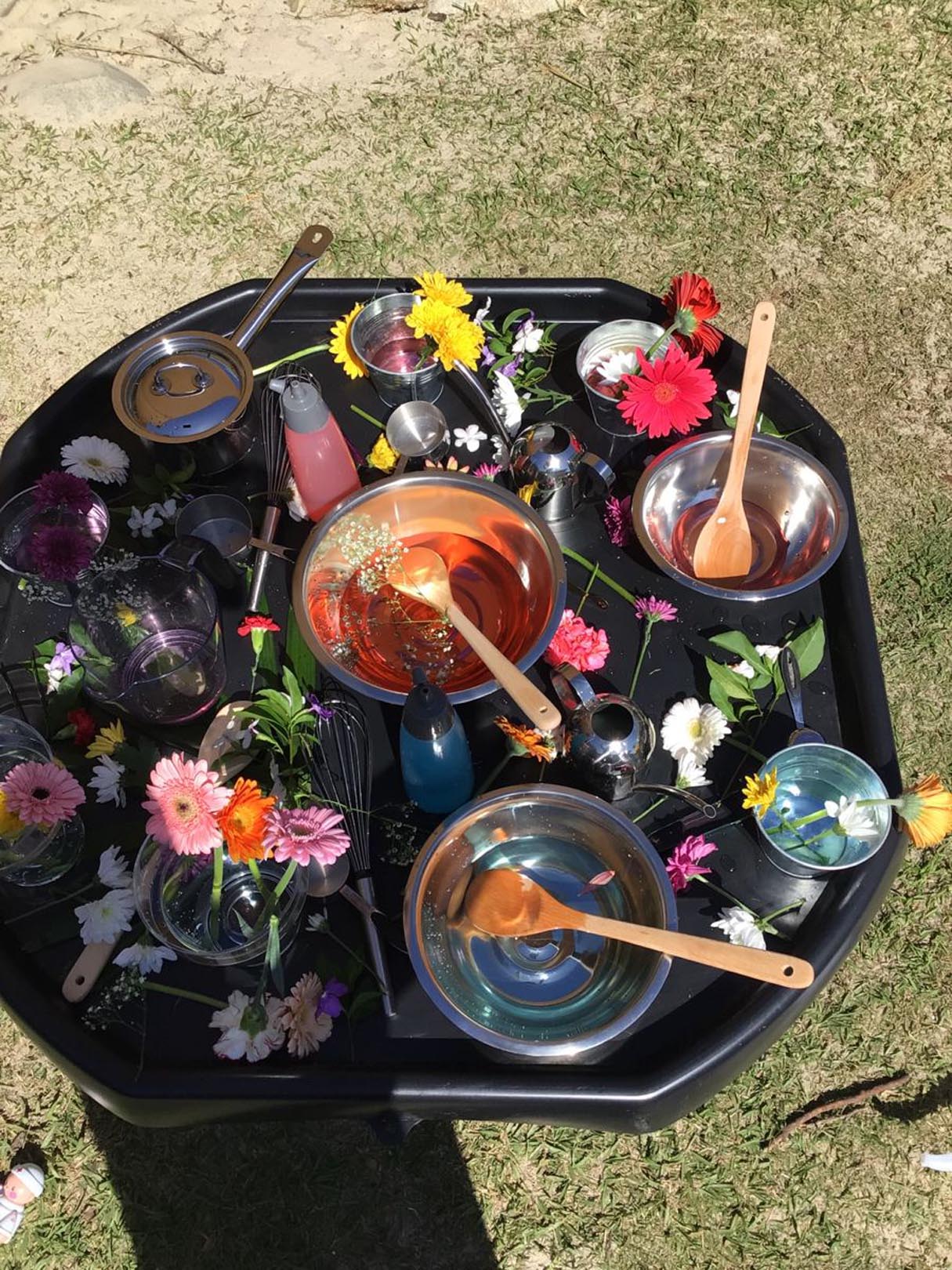
4. Magical and Empowering Flower Potions STEM Activity
Potion-making is always a hit with kids. Mixing ingredients, pouring liquids, and watching reactions feel magical and empowering.
This flower-themed version combines science with imaginative play, making it perfect for themed learning weeks or outdoor exploration.
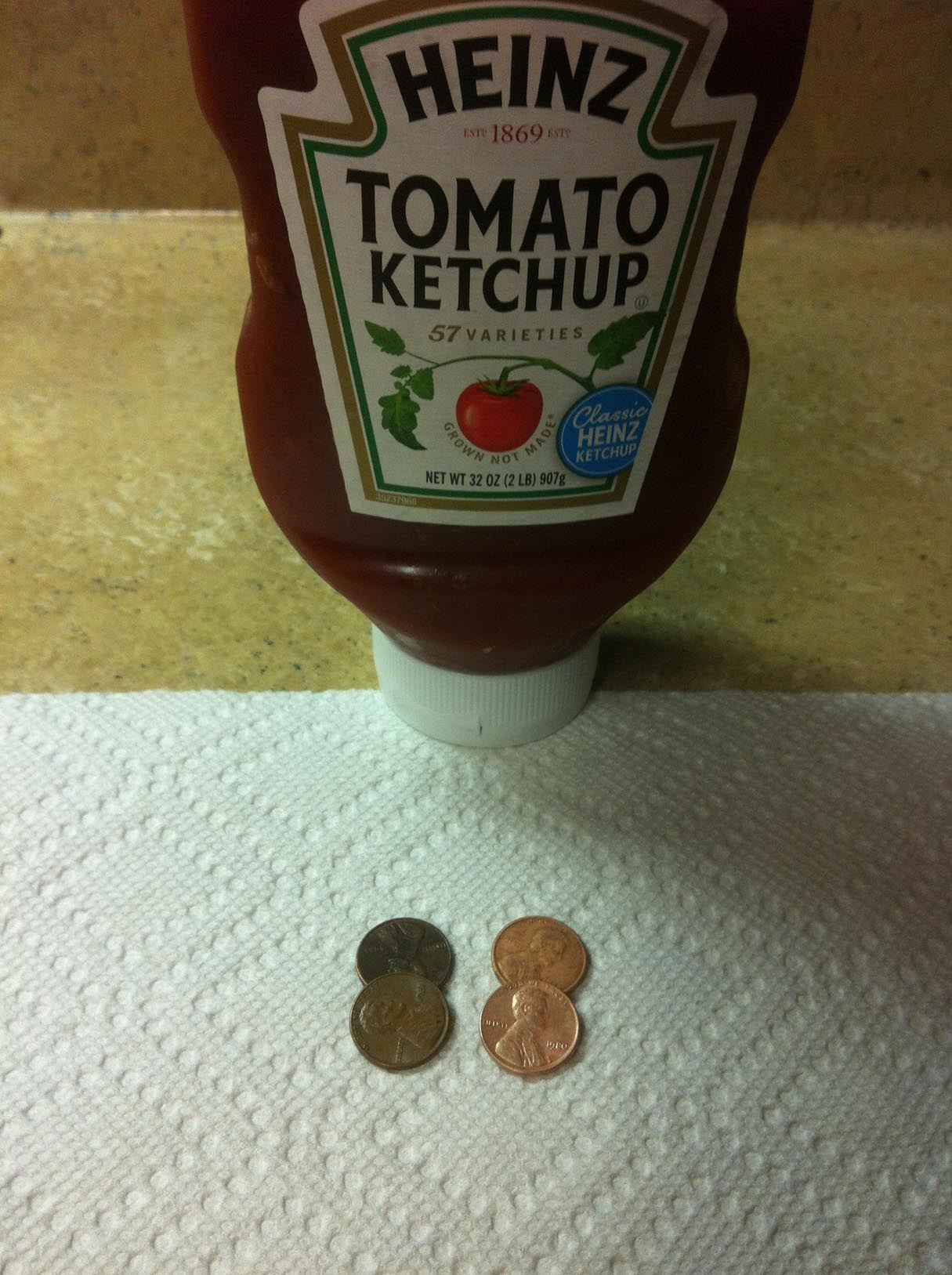
3. Chemical Reaction at Home: Cleaning Pennies with Ketchup
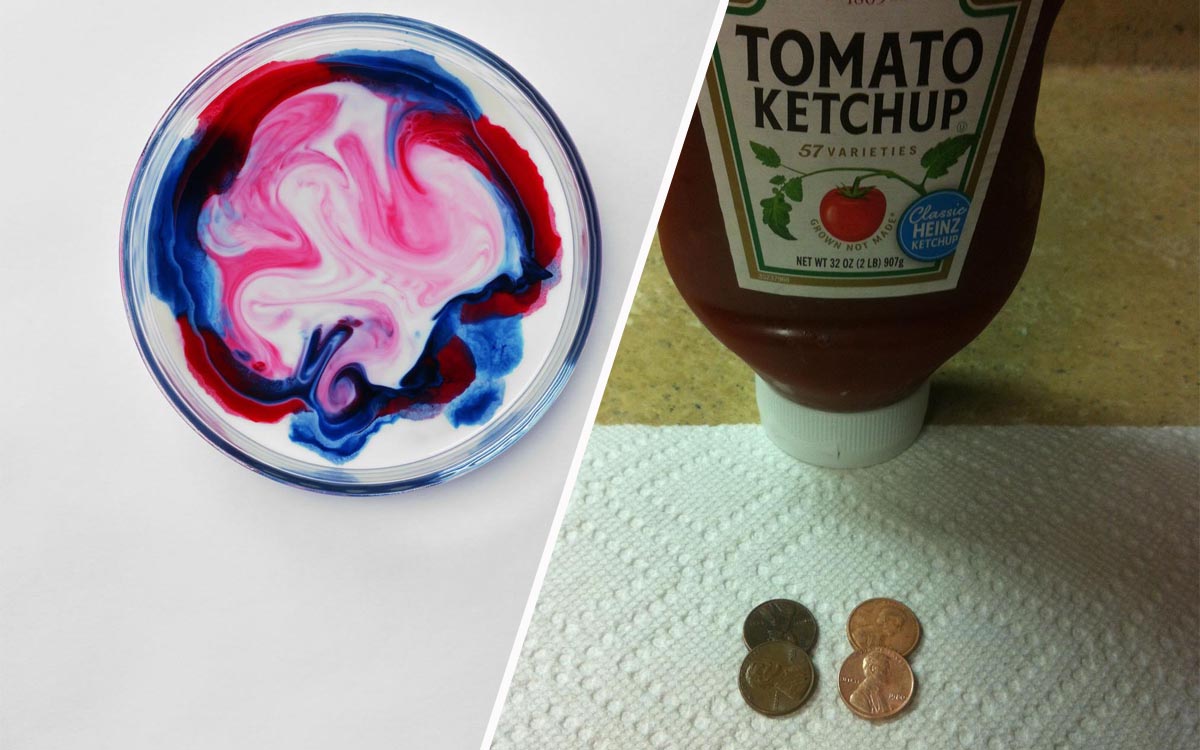
This simple chemistry experiment shows kids how oxidation works using everyday items. Watching dirty pennies turn shiny again is incredibly satisfying.
It’s a great sensory activity that introduces real scientific concepts in a way that feels fun and approachable.
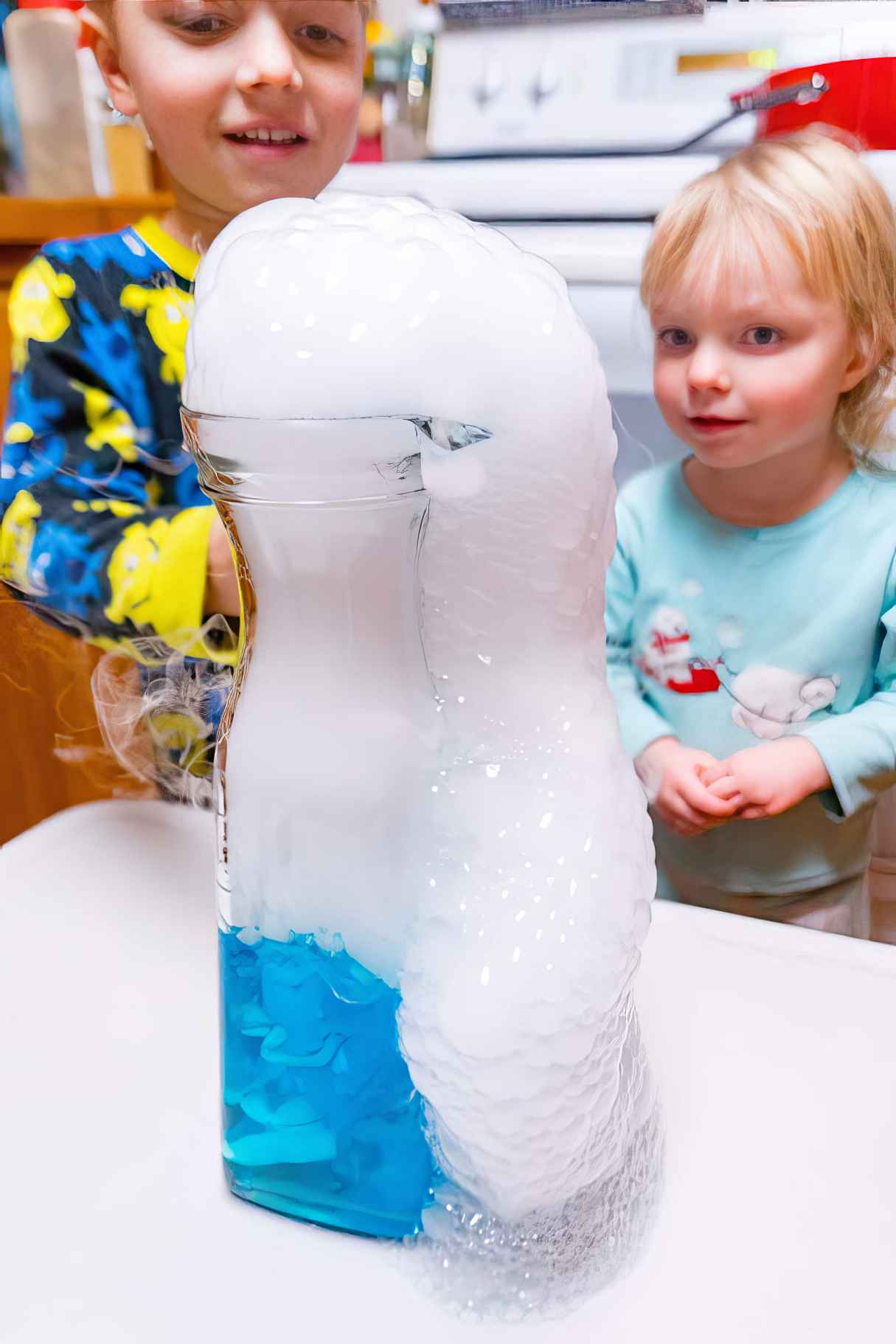
2. Unforgettable Dry Ice Experiments with Bubbles
Dry ice bubbles are dramatic, exciting, and unforgettable. Kids are amazed by the giant smoky bubbles that form and float.
This experiment is both visually stunning and educational, offering a safe way to explore temperature, gas, and chemical reactions.
1. How To Make A Rock Candy Easy Science Experiment for Kids at Home
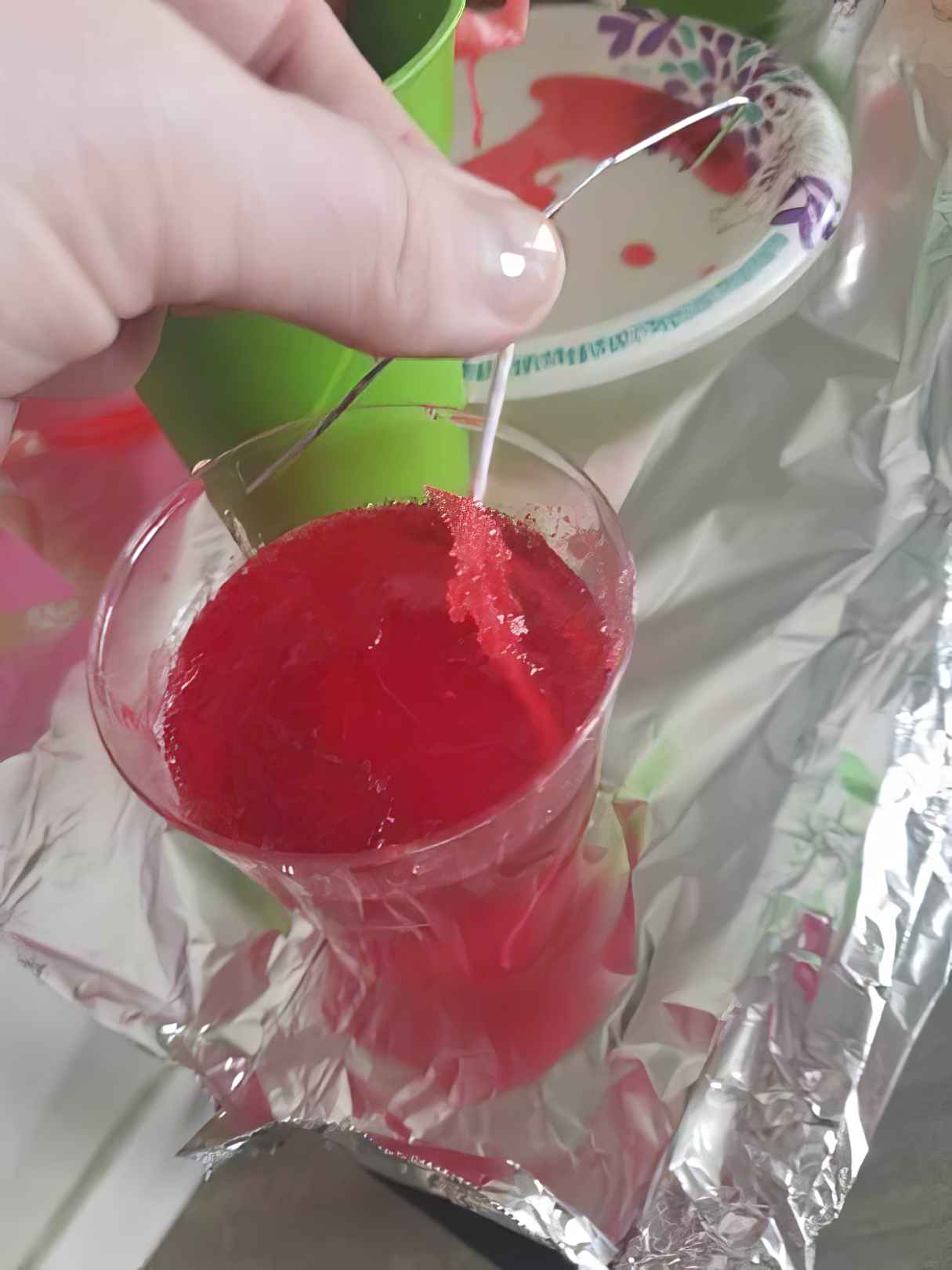
Making rock candy is the perfect mix of science and reward. Kids watch crystals slowly form over time, building patience and curiosity.
Because they get to eat the results, this experiment is especially memorable. It’s a fantastic way to make science feel delicious and fun.